
Updated 21 September 2026. Generally available models only — not gated preview tiers.
The short version
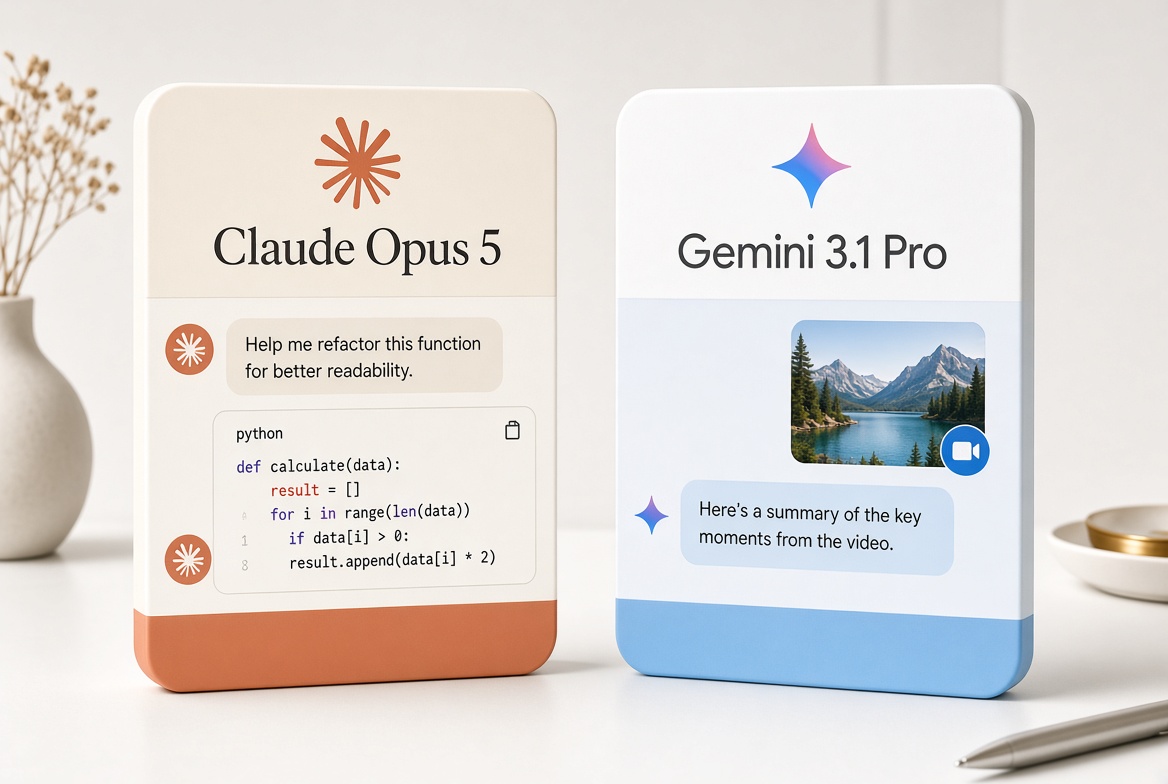
Neither model wins overall. Claude Opus 5 is the better default for careful writing, instruction-following, and agentic coding. Gemini 3.1 Pro is the better default for native image/video/audio work, Google Workspace, and lower API cost. Both now sit in the 1-million-token context class.
Anthropic also sells Claude Fable 5.1 as a higher-priced public top tier. Google’s next Pro refresh has been delayed; 3.1 Pro remains the shipping flagship, with 3.8 Flash as the fast workhorse.
Spec sheet
| Spec | Claude Opus 5 | Gemini 3.1 Pro |
|---|---|---|
| Maker | Anthropic | Google DeepMind |
| Context | 1M tokens | ~1M tokens |
| Max output | 128K tokens | ~65K tokens |
| API / 1M tokens | $5 in / $25 out | ~$2 in / $12 out (steps up on very long prompts) |
| Consumer plan | Pro ~$20/mo | AI Pro ~$19.99/mo |
| Native image / video gen | No | Yes (Imagen / Veo) |
| Coding agent | Claude Code | Jules / Antigravity |
| Ecosystem | API, MCP, cloud marketplaces | Search, Workspace, Android |
Vendor scores use different harnesses. Read them as a map of strengths, not a ranking.
Animated comparison
Pros and cons
Claude Opus 5
Pros
- Stronger published results on hard repo-level coding.
- Cleaner long-form prose and tighter instruction following.
- Claude Code is built for multi-file agent work.
- Conservative stance on sensitive text tasks.
Cons
- No native image or video generation.
- Higher API output price.
- Consumer usage caps feel tight on heavy days.
- Weaker native Workspace and Search grounding.
Gemini 3.1 Pro
Pros
- Native multimodal input and generation.
- Cheaper tokens for most API jobs.
- Gmail, Docs, Drive, and Search sit next to the model.
- Strong computer-use / multi-step workflow numbers in some suites.
Cons
- Behind Claude on several hard software-engineering benches.
- Output quality can be uneven on long analytic writing.
- True next-gen Pro has slipped past earlier ship dates.
- Privacy story is tied to the wider Google account graph.
Interfaces
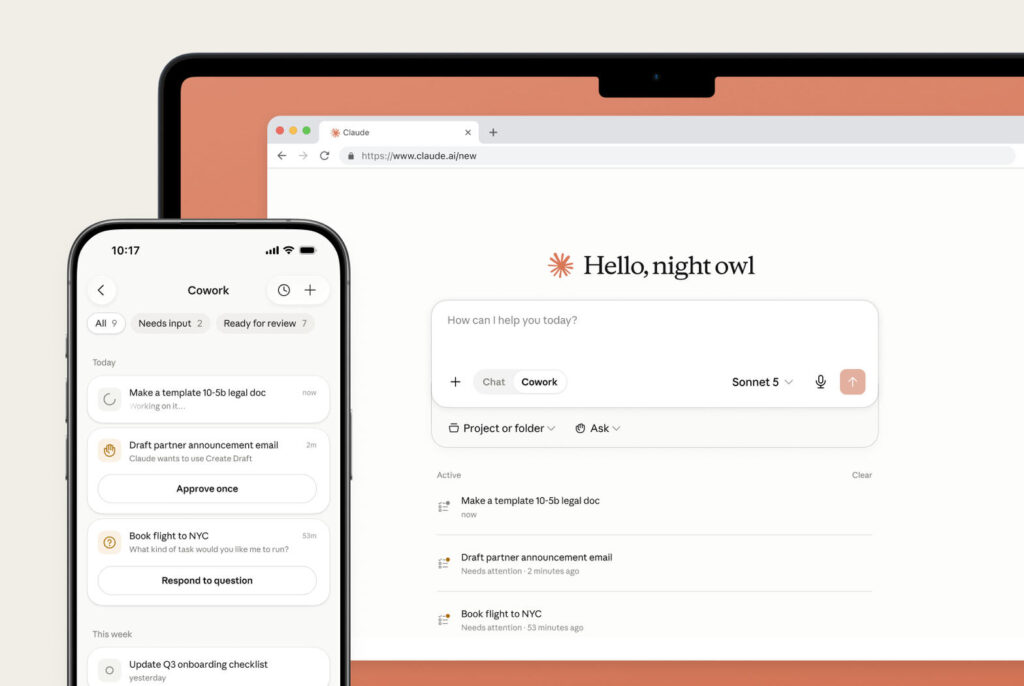
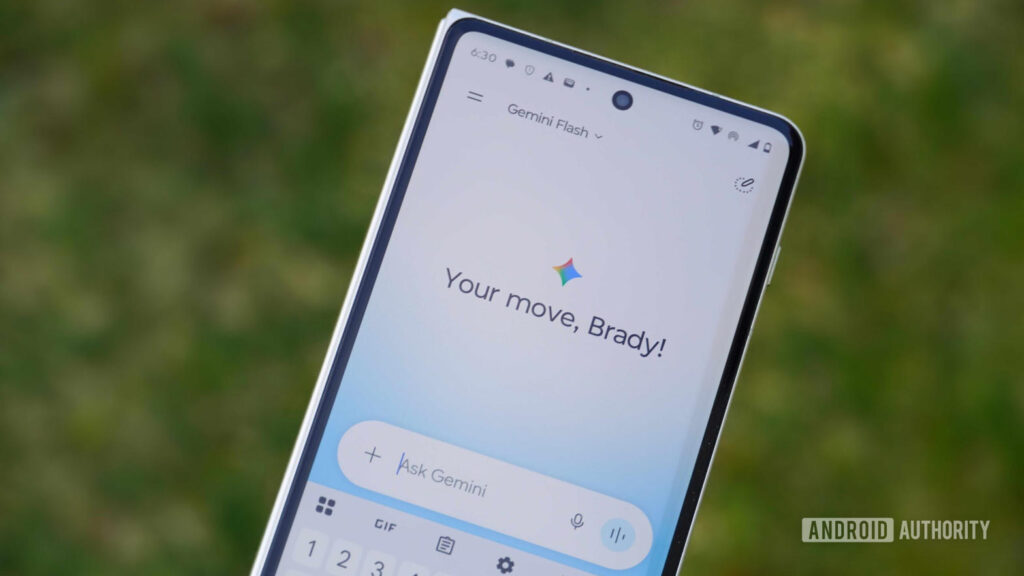
Claude’s current product surface leans into Cowork / agent tasks and a spare editor. Gemini’s app is a search-like box with model switching (Flash / Pro) and Workspace hooks.
Live creations
Same prompt family, two house styles. These are representative artifacts, not vendor-branded API dumps.
Claude-style: refactor a messy function
Prompt: “Refactor for readability. Keep behavior identical.”
def positives_doubled(data):
    """Return 2x each positive number, in original order."""
    return [value * 2 for value in data if value > 0]
Typical Claude pattern: drop the index loop, name the intent, keep the contract small. That is why it shows up well on multi-file cleanups.
Gemini-style: still life + caption
Prompt: “Photoreal morning desk: coffee, open notebook, succulent, window light.”

Window light from camera-left. Speckled stoneware cup, dark roast surface, open cream notebook, pale succulent in a matching pot. Soft shadow bands across the oak grain.
Gemini-style multimodal caption
Interactive SVG demo
Practical split many teams already use: Claude drafts the spec and the patch. Gemini handles the visual pass, the Drive doc, and the cheap high-volume calls.
Who should pick which
- Ship production code or long briefs: Claude Opus 5, escalate to Fable 5.1 only when the extra reasoning is worth 2× token cost.
- Live inside Google Workspace or need media: Gemini 3.1 Pro, Flash for volume.
- Budget API: Gemini.
- Privacy-sensitive text with fewer Google-account ties: Claude.
Most serious shops run both. The gap is product shape, not a single IQ score.
Reader discussion
Join the conversation.
Questions, corrections, and useful context are welcome.