Performance
LiteSpeed, PHP-FPM, caches, HTTP/3, NVMe, and TTFB.
 How LiteSpeed differs from Apache and nginxLiteSpeed is the default on LogicWeb shared hosting. It reads Apache .htaccess, uses an event model, and ships LSCache so you keep RewriteRules without prefork-era tuning myths.Updated Aug 29, 2026
 PHP-FPM workersPHP-FPM workers each handle one uncached request. Too few cause queues; too many risk swapping. Use pm.max_children with real RAM math, and fix cache misses first.Updated Aug 29, 2026
 Browser cache vs page cache vs object cacheBrowser cache, page cache, and object cache speed a site in different ways. They stack together; page cache on our stack is LSCache for full HTML.Updated Aug 29, 2026
 Redis and MemcachedRedis and Memcached are in-memory stores that speed up WordPress by caching query results. Bind to localhost, set maxmemory, and use Redis when your plan includes it.Updated Aug 29, 2026
 Image optimizationImage optimization starts before upload: resize the original, serve WebP when you can, and lazy-load below the fold. A CDN cannot undo an oversized PNG in a narrow…Updated Aug 29, 2026
 HTTP/3 and QUICHTTP/3 runs HTTP over QUIC on UDP so lost packets do not stall every stream. Learn which ports matter, why fallback to HTTP/2 is normal, and how AutoSSL…Updated Aug 29, 2026
 Measuring TTFBTTFB is how long until the first byte arrives. Measure cached LiteSpeed hits, uncached PHP, and CDN edges separately so you fix the right layer.Updated Aug 29, 2026
 A CDN in front of cPanelYour CDN origin stays on LogicWeb while the edge caches files. Leave a direct bypass hostname so AutoSSL HTTP-01 still reaches cPanel, and purge both the CDN and…Updated Aug 29, 2026
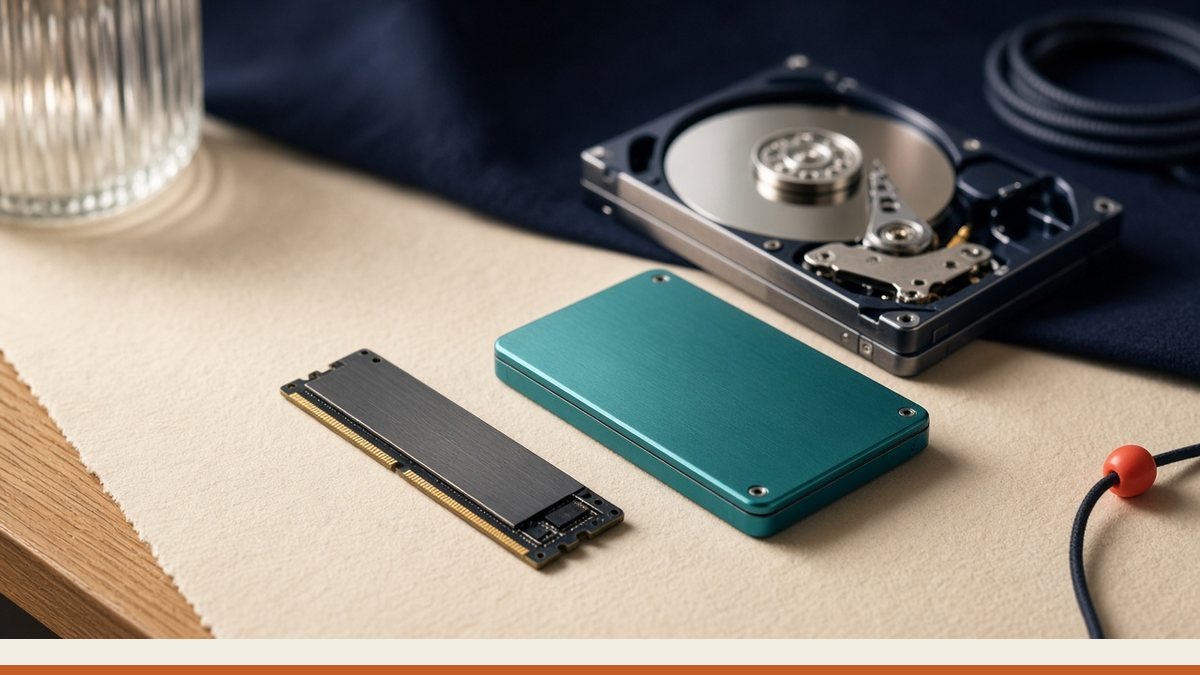 NVMe vs SATA SSD vs HDDNVMe is PCIe flash with a deep queue, SATA SSD is flash on an older bus, and HDD struggles with WordPress random I/O. Pick NVMe for live sites,…Updated Aug 29, 2026
 When to leave shared for a VPSLeave shared for a VPS when you need root, a custom daemon, guaranteed cores, or measured LVE limits under real traffic—not because a blog said serious sites require…Updated Aug 29, 2026
 LSCache hit rate: what good looks likePublic pages should hit for logged-out visitors; cart and checkout should miss. If the home page never hits, check cookies and plugin rules with curl, not an admin…Updated Aug 29, 2026
 Query Monitor on staging, not on a hot shopQuery Monitor shows the queries and calls behind a slow page, but it costs CPU. Use it on staging, fix the problem, then keep production cached.Updated Aug 29, 2026
 Object cache misses that look like “Redis is broken”Persistent object cache misses usually mean a plugin writes unique keys, not a dead Redis. Cap memory with allkeys-lru; restarts empty the cache and a rebuild is normal.Updated Aug 29, 2026
 Concatenation is not 2014 anymoreJS concatenation of every script into one file is outdated under HTTP/2 and HTTP/3. Load only what each page needs so cache stays useful and LCP stays fast.Updated Aug 29, 2026
 TTFB is not LCPTTFB is when the first byte arrives. LCP is when the largest content paints. Measure both, because a fast edge response will not fix a heavy hero image.Updated Aug 29, 2026
 wp-cron stampedes that look like trafficA wp-cron stampede is every visit spawning wp-cron.php on top of a real crontab. Disable the on-request runner and schedule one job every five minutes so Metrics spikes…Updated Aug 29, 2026
 OPcache stays onOPcache keeps PHP bytecode ready for each request. Leave it enabled, deploy your changes, and reload lsphp or reset the cache only when a stuck entry needs a…Updated Aug 29, 2026
 Keep-Alive is already on, stop buying itLiteSpeed already enables Keep-Alive on shared hosting. Learn how to verify the Connection header with curl and skip plugins that only rewrite headers you already have.Updated Aug 29, 2026
 When the database is the bottleneck, not PHPWhen PHP CPU is idle and workers wait on MySQL, you have a database bottleneck. Explain the slow query, add the index, then cache so extra children are…Updated Aug 29, 2026
 When a static site is the performance planA static site fits when pages rarely change and you do not need carts or heavy editing. Use WordPress when those features are real requirements, and cache it…Updated Aug 29, 2026