On this page
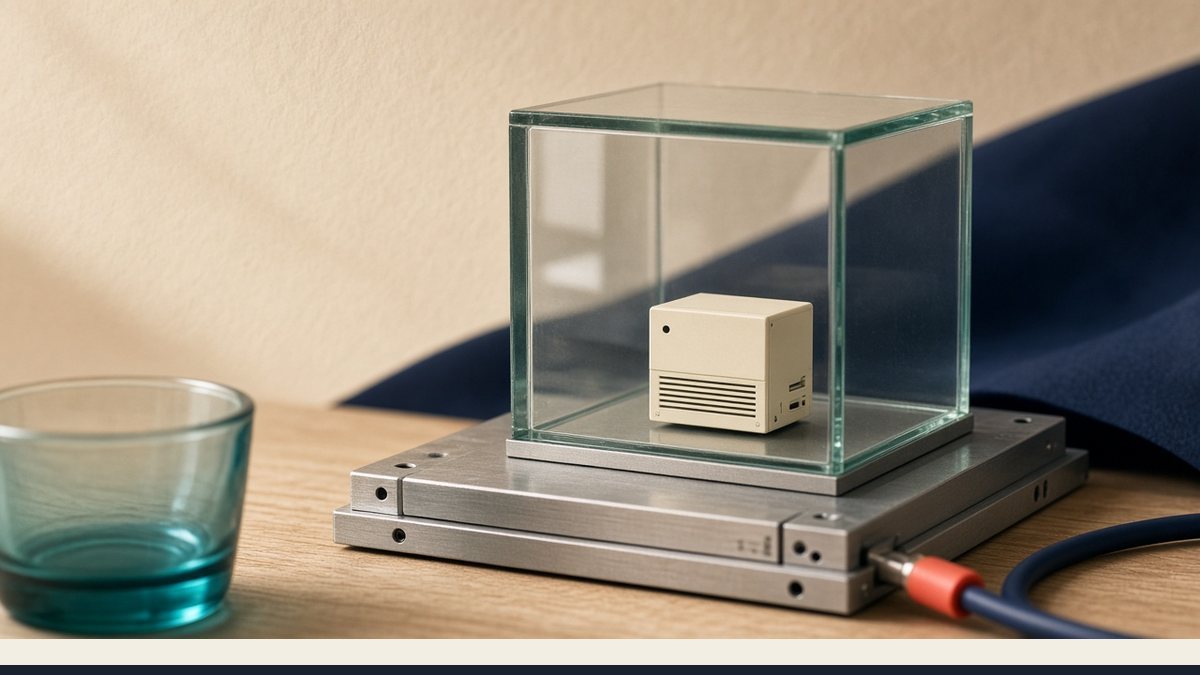
KVM virtualizes a full machine: CPU time, RAM, disk, network, and a kernel you control. On a LogicWeb VPS you run as a KVM guest with root, not as a container that shares the host kernel, and not as bare metal. Dedicated servers are the physical chassis with IPMI; a VPS is a guest on that kind of host.
Because the guest has its own kernel, you choose the template, apply patches, load modules, and recover when something breaks. That is the main difference from older container products, where one shared kernel limited what you could install or fix yourself.
What you actually get on the guest
A vCPU is scheduled time on the host CPU, not a spare chip sitting only for you. RAM is reserved for your guest until you exhaust it with services you should not stack on a small plan. Disk is a virtual volume, usually on the virtio path, which is the fast option. Emulated IDE is slower and is mainly for odd compatibility cases. Network interfaces follow the same idea: virtio is preferred over a fake e1000 unless a template forced the older driver.
Persistent steal time in vmstat (%st) means the host is busy with other work, or the node is under heavy load. That is a different problem from a slow database query on an otherwise idle guest. Fix the query first; do not rebuild the VPS to chase a WordPress options table issue.
vmstat 1 5
free -h
ip -br a
vmstat 1 5 prints five one-second samples so you can see run queue, wait, and steal. free -h shows whether the guest is swapping. ip -br a lists the addresses the guest really has, which helps you catch a missing IPv4 before you dig into DNS.
Snapshots, rescue mode, and rebuilds
A snapshot is crash-consistent unless the guest cooperates. Quiesce MySQL if that snapshot is the only backup of a shop database. Rescue mode boots a different image against the same disk so you can mount filesystems and copy data; it does not create a new VPS. A rebuild lays down a new disk image and keeps the old IP. Those three actions sound similar in tickets, but they do different jobs.
If the guest will not boot, send the guest id, the time in UTC, and what the console actually prints. Skip passwords and guesses about the datacenter. A KVM VPS is a machine you can break and repair yourself. That control is the point of the product.
How this compares to dedicated
Root access exists on both VPS and dedicated. Neighbors share the hypervisor only on VPS. Dedicated gives you the physical chassis and IPMI for out-of-band control. Choose based on whether you need isolation at the metal layer or a root-capable guest is enough for your workload.
Tagged
Was this article helpful?
Be the first to rate this article.