In 2024, the Federal Trade Commission received over 6.4 million reports of identity theft in the U.S., with victims losing a median of $497 each and total fraud losses exceeding $27 billion globally. As cyber threats evolve—up 85% over the past decade—simple habits can safeguard your data. Below are seven evidence-based tips, backed by expert sources, with free tools to implement them.
1. Use Strong, Unique Passwords
Weak passwords fuel 81% of breaches, per Verizon’s 2024 Data Breach Investigations Report. Opt for 15+ characters mixing letters, numbers, and symbols—or passphrases like “BlueHorseBatteryStaple.” Avoid reusing them across sites.
Free Resource: Bitwarden, an open-source manager with unlimited storage and AES-256 encryption. Download at bitwarden.com. “Bitwarden’s free tier is robust for most users,” notes PCMag.
2. Enable Two-Factor Authentication (2FA)
2FA blocks 99.9% of automated attacks, according to Microsoft. It adds a second verification step, like an app code, beyond passwords—use authenticator apps over SMS for better security.
Free Resource: Google’s Authenticator app for iOS/Android. Setup guide: support.google.com/accounts. FTC recommends it as “an extra layer that’s easy to add.”
3. Secure Wi-Fi and Use VPNs on Public Networks
Public Wi-Fi exposes data to interception; 25% of attacks target unsecured networks, per a 2025 Experian report. Change default router passwords and enable WPA3 encryption at home.
Free Resource: Proton VPN’s unlimited-data plan with no logs or ads. Get it at protonvpn.com/free-vpn. Top10VPN calls it “the best totally free VPN for privacy.”
4. Keep Software and Devices Updated
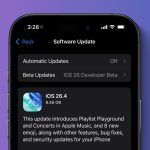
Unpatched software causes 60% of breaches, says the UK’s NCSC. Enable auto-updates for OS, apps, and browsers to fix vulnerabilities promptly.
Free Resource: Built-in tools like Windows Update or macOS Software Update. NCSC tip: “Updates are your first line of defense—ignore them at your peril.” More at ncsc.gov.uk.
5. Avoid Phishing Scams and Suspicious Links
Phishing drove 36% of 2024 breaches, per FTC data. Verify sender emails, hover over links before clicking, and never share info via unsolicited requests.
Free Resource: FTC’s phishing quiz and guides at consumer.ftc.gov/articles/how-recognize-and-avoid-phishing-scams. “Scammers impersonate trusted sources—always double-check,” advises the FTC.
6. Limit Oversharing on Social Media
Oversharing reveals PII to scammers; 42% of Millennials fell victim in 2024, often via social-engineered attacks. Tighten privacy settings, avoid posting locations or full birthdates, and review tagged photos.
Free Resource: Privacy Checkup tools on Facebook (facebook.com/privacy/checkup) and X (help.x.com/en/safety-and-security). Chubb warns: “What you share today could haunt you tomorrow.”
7. Monitor Credit and Accounts Regularly
22% of Americans have faced identity theft, with recovery averaging 22 months for tax-related cases. Check for unauthorized activity monthly.
Free Resource: AnnualCreditReport.com for weekly reports from Equifax, Experian, and TransUnion (annualcreditreport.com). Scan breaches at Have I Been Pwned (haveibeenpwned.com). IDStrong’s free Dark Web Scan alerts on leaks (idstrong.com/tools).
Adopt these tips to cut your risk dramatically—start with one today. For recovery, visit IdentityTheft.gov. Stay vigilant: Your digital self is your real self.