Key Points
- Research suggests that third-party certifications like USP, NSF, or ConsumerLab seals indicate rigorous testing for purity, potency, and contaminants, though not all high-quality products carry them.
- It seems likely that examining supplement labels for bioavailable ingredient forms, minimal fillers, and clear dosing can help avoid subpar options, but complexities in manufacturing mean no label is foolproof.
- The evidence leans toward using independent resources such as Labdoor rankings or ConsumerLab reviews for unbiased evaluations, acknowledging debates around supplement efficacy and potential interactions with medications.
Understanding Certifications
Certifications from independent organizations provide a layer of assurance that supplements meet certain standards. For instance, the USP Verified Mark confirms that a product contains the declared ingredients in the right amounts, is free from harmful contaminants like heavy metals, and disintegrates properly for absorption.
USP Verified | Quality Matters | U.S. Pharmacopeia Blog
Similarly, NSF certification involves testing for label accuracy and contaminants, with ongoing audits.
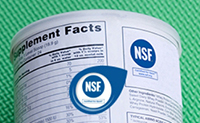
Dietary Supplements Claims, Labels and Regulations | NSF
ConsumerLab offers approval based on voluntary testing.
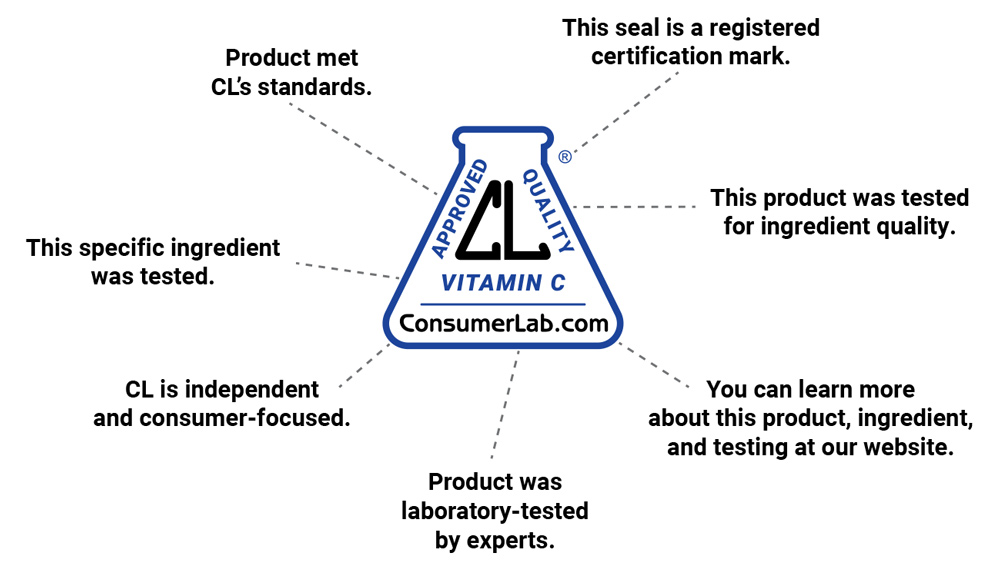
The CL Seal – ConsumerLab.com
These are voluntary, so their absence doesn’t always mean poor quality, but they reduce risks.
Decoding Supplement Labels
Start with the Supplement Facts panel, which lists active ingredients, serving size, and % Daily Value.
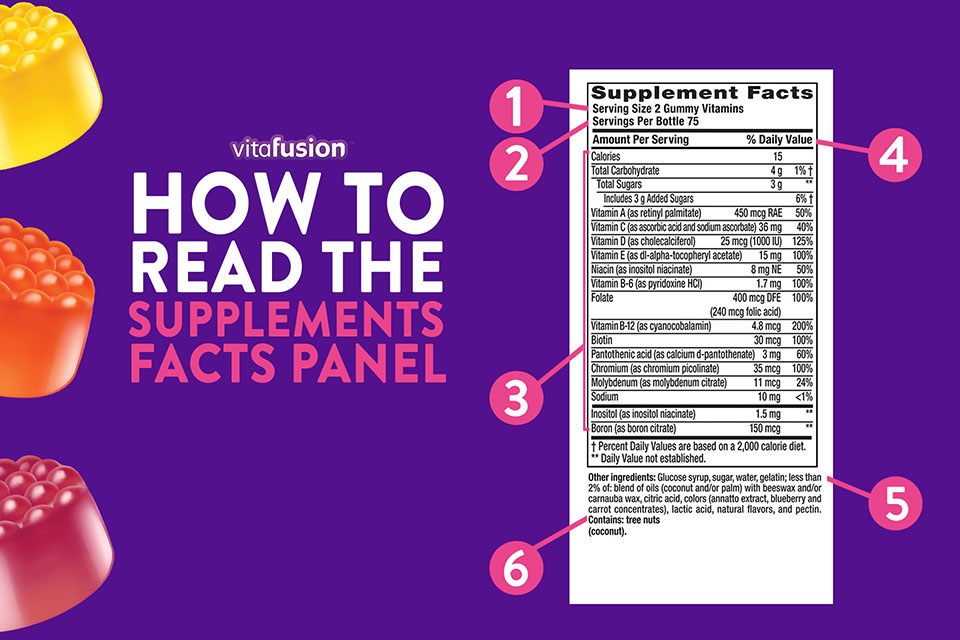
How to Read Ingredients & DV on a Supplement Facts Label | vitafusion™
Look for bioavailable forms, like methylfolate over folic acid for better absorption. Avoid proprietary blends that hide exact amounts. Check for GMP compliance, indicating sanitary manufacturing.
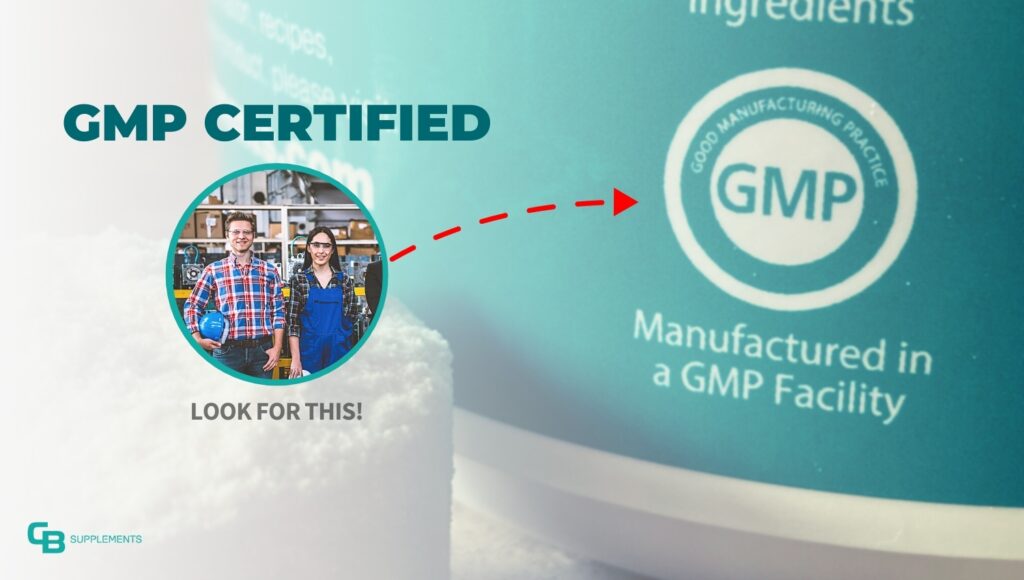
What is GMP Certified? How GMP Certification impacts Supplements
Resources like the FDA’s labeling guide can help interpret claims.
Common Red Flags
Be cautious of labels claiming to cure diseases, as supplements can’t legally do so. Other warnings include excessive % Daily Values that risk toxicity, undisclosed fillers like titanium dioxide, or “miracle” promises without evidence.
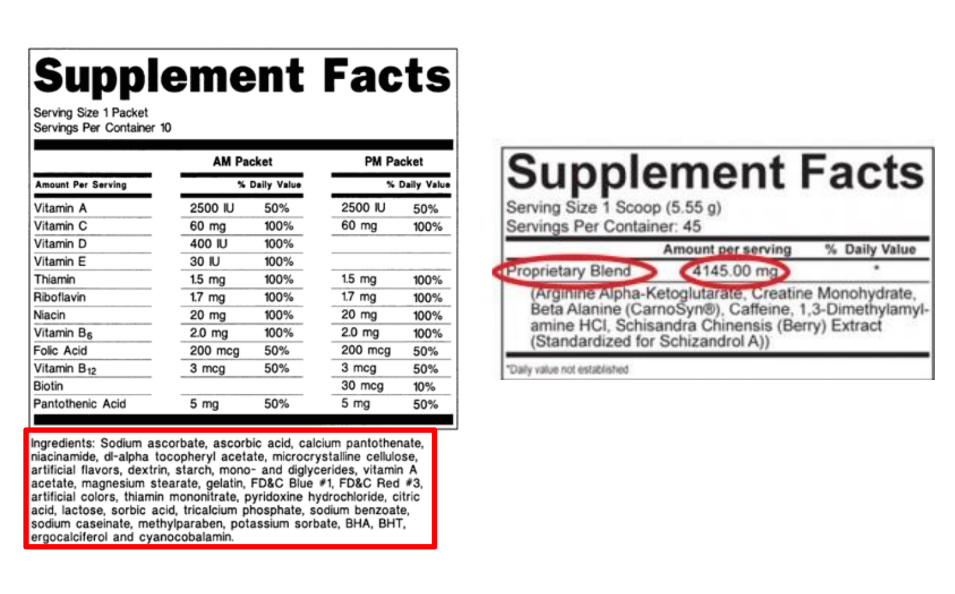
Choosing an OTC Drugs or Supplement? Read Their Labels …
Gummy forms may degrade potency, and lack of contact info for the manufacturer is concerning.
Where to Buy and Verify
Stores like GNC, Amazon, or Vitamin Shoppe offer convenience, but verify via public tools. Use BBB.org for company complaints, FDA.gov for recalls, and sites like quality-supplements.org for USP-verified lists.
In an era where vitamin supplements line the shelves of stores like GNC, Amazon, and Vitamin Shoppe, promising everything from boosted immunity to enhanced energy, consumers face a daunting task: separating high-quality products from those that fall short. With the global dietary supplement market valued at over $150 billion and projected to grow, the influx of brands has led to varying standards in manufacturing, ingredient sourcing, and transparency. This comprehensive guide explores how everyday shoppers can evaluate supplement quality through labels, certifications, independent testing, and public resources. We’ll incorporate unbiased facts from regulatory bodies, diagrams of processes, charts on bioavailability, and practical tips to empower informed decisions. While supplements can fill nutritional gaps—such as vitamin D for those with limited sun exposure—they aren’t a substitute for a balanced diet, and consulting a healthcare provider is essential, especially for those on medications or with health conditions.
The Basics of Supplement Quality: What Defines “High Quality”?
Quality in vitamin supplements hinges on several factors: purity (free from contaminants), potency (accurate ingredient amounts), bioavailability (how well the body absorbs them), and safety (no harmful additives). Unlike pharmaceuticals, supplements aren’t pre-approved by the FDA for efficacy, but manufacturers must follow Good Manufacturing Practices (GMP) to ensure consistency and labeling accuracy. A high-quality product starts with ethical sourcing—ingredients from reputable suppliers—and ends with transparent testing.
Consider the manufacturing process, illustrated below, which involves sourcing raw materials, blending, encapsulation or tableting, and packaging.
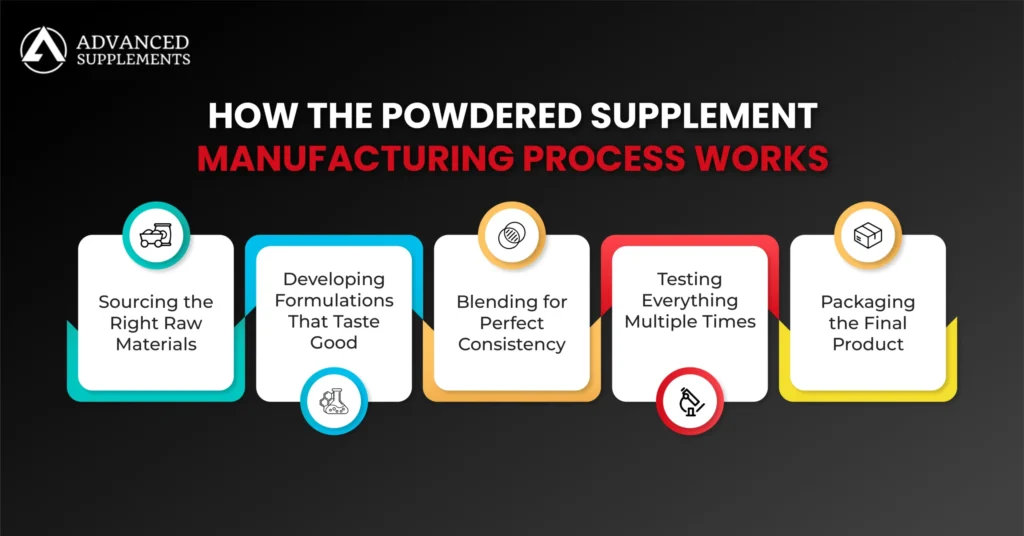
Guide To The Powdered Supplement Manufacturing Process
Deviations at any stage, like poor quality control, can introduce issues such as microbial contamination or inaccurate dosing. Studies show that up to 20% of supplements may not contain what’s listed or exceed safe contaminant levels, highlighting the need for vigilance.
Third-Party Certifications: Your First Line of Defense
Independent certifications bridge the gap in FDA oversight by verifying products through audits and lab tests. Here’s a comparison table of major certifiers:
| Certifier | Key Focus Areas | Verification Process | How Consumers Can Check | Benefits |
|---|---|---|---|---|
| USP (United States Pharmacopeia) | Ingredient identity, potency, contaminants, disintegration | Facility audits per GMP and 21 CFR Part 111, lab testing for conformance, off-the-shelf retesting | Search verified products at quality-supplements.org/verified-products | Ensures no harmful heavy metals, microbes; promotes absorption. |
| NSF International | Label claims, formulation toxicology, contaminants | Testing against NSF/ANSI 173 standard, annual audits, independent lab analysis | Contact NSF or check product labels for the mark | Protects against undeclared ingredients; Certified for Sport option for athletes. |
| ConsumerLab.com | Quality, value, clinical evidence | Independent testing of over 1,400 products; voluntary certification program | Subscription-based access to reviews and top picks at consumerlab.com | Identifies cost-effective, high-quality options; includes warnings. |
| Labdoor | Rankings based on purity and label accuracy | Buys retail products, tests in labs, publishes free rankings | View rankings at labdoor.com | Free access; focuses on science over marketing. |
These seals aren’t mandatory, and some reputable brands opt out due to costs, but they offer peace of mind. For example, USP has verified products from brands like Nature Made, which ranked #1 in multiple categories in a 2025 U.S. News survey.
Mastering Label Reading: Ingredients, Forms, and Fillers
The Supplement Facts label is your roadmap.
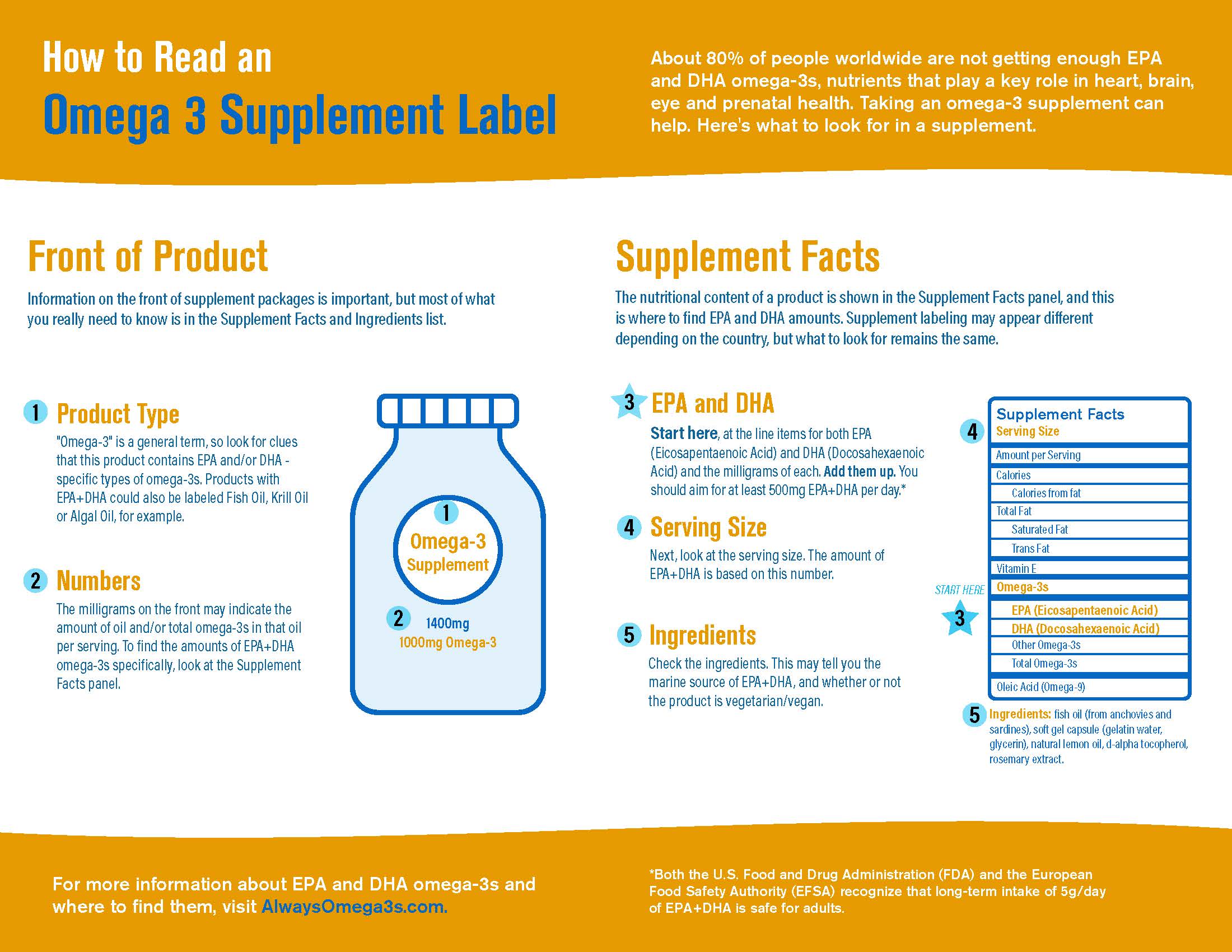
How to Read an Omega-3 Supplement Label
It must include active ingredients, serving size, and other components like fillers. Prioritize bioavailable forms for better efficacy—see the chart below comparing common vitamin forms.

Full article: Comparative bioavailability of vitamins in human …
For a tabular view:
| Vitamin | Common Forms | Preferred Bioavailable Form | Bioavailability Notes |
|---|---|---|---|
| Vitamin B12 | Cyanocobalamin, Methylcobalamin | Methylcobalamin | Natural form; higher absorption in those with genetic issues. |
| Vitamin D | D2 (Ergocalciferol), D3 (Cholecalciferol) | D3 | Animal-derived; better at raising blood levels long-term. |
| Folate | Folic Acid, Methylfolate | Methylfolate | Active form; avoids conversion issues in up to 40% of people. |
| Magnesium | Oxide, Citrate, Glycinate | Glycinate or Citrate | Higher absorption; less laxative effect. |
Bioavailability of vitamins and minerals from vegetables and …
Avoid common fillers that may pose risks:
| Filler/Additive | Why Avoid | Common In |
|---|---|---|
| Magnesium Stearate | May inhibit absorption; derived from fats | Tablets, capsules |
| Titanium Dioxide | Potential carcinogen; banned in some countries | Colorants in pills |
| Silicon Dioxide | Anti-caking agent; linked to gut issues | Powders |
| Artificial Dyes | Allergens; hyperactivity links | Gummies, colored capsules |
Red flags include vague “proprietary blends,” disease-cure claims (illegal), or missing manufacturer details.

Nutrition labels are inaccurate. This is why. And, here are …
High % Daily Values can lead to toxicity, like excess vitamin A causing liver damage.
Public Resources for Company Background and Ingredient Checks
To vet brands:
- FDA Resources: Check for recalls or warnings at fda.gov/food/dietary-supplements. Report issues via 800-FDA-1088.
- NIH Office of Dietary Supplements: Fact sheets on efficacy and safety at ods.od.nih.gov.
- Better Business Bureau (BBB): Search company ratings and complaints at bbb.org.
- Examine.com: Evidence-based analyses of supplements.
- Operation Supplement Safety: DOD tool for risk assessment at opss.org.
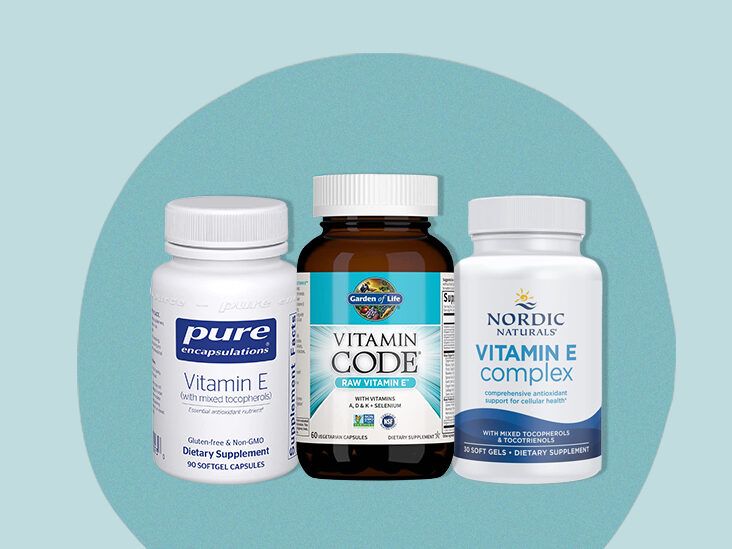
For brand examples, 2025 rankings highlight Thorne for transparency, Ritual for clean ingredients, and Nature Made for pharmacist recommendations.
:max_bytes(150000):strip_icc()/best-vitamin-brands-4843442-Fit-7fbb1bb223954f2e81f8486eb1403fb4.jpg "How to Discern the Quality of Vitamin Supplements: A Consumer's Guide 12")

Practical Tips for Shopping at Common Stores
At GNC or Vitamin Shoppe, ask for certified products. On Amazon, read verified reviews but cross-check with Labdoor. Store supplements in cool, dry places to preserve potency. Start low-dose, monitor effects, and track with tools like NIH’s supplement record form. Remember, interactions exist—e.g., vitamin K with blood thinners—so consult professionals.
In conclusion, discerning quality requires diligence, but tools like certifications and public databases make it achievable. By prioritizing evidence-based choices, consumers can navigate the supplement landscape with confidence.
Key Citations
- https://ods.od.nih.gov/factsheets/WYNTK-Consumer/ Dietary Supplements: What You Need to Know – Consumer
- https://www.health.harvard.edu/newsletter_article/supplements-a-scorecard Supplements: A scorecard – Harvard Health
- https://www.goodrx.com/well-being/supplements-herbs/how-to-know-if-youre-buying-a-good-supplement-brand 8 Tips for Choosing Safe & High-Quality Supplements – GoodRx
- https://www.usp.org/200-anniversary/quality-vitamins-and-supplements Quality Vitamins and Supplements
- https://www.mskcc.org/news/how-do-i-know-if-dietary-supplement-contains-what-label-says-it-contains How do I know if a dietary supplement contains what the label says it …
- https://www.healthline.com/nutrition/how-to-choose-high-quality-vitamins-and-supplements How to Choose High Quality Vitamins and Supplements – Healthline
- https://www.ama-assn.org/public-health/prevention-wellness/what-doctors-wish-patients-knew-about-vitamins-and-supplements What doctors wish patients knew about vitamins and supplements
- https://www.nsf.org/consumer-resources/articles/supplement-vitamin-certification Dietary Supplement and Vitamin Certification – NSF
- https://www.opss.org/article/why-third-party-certification-important-dietary-supplements Why is Third-Party Certification Important for Dietary Supplements?
- https://www.health.harvard.edu/staying-healthy/start-vetting-your-supplements Start vetting your supplements – Harvard Health
- https://www.usp.org/verification-services/dietary-supplements-verification-program USP’s Dietary Supplement Verification Program
- https://fullscript.com/blog/third-party-certifications Third-Party Tested Supplements Certification Explained – Fullscript
- https://labdoor.com/ Labdoor: Supplement Ratings and Reviews
- https://www.jandonline.org/article/S2212-2672%252815%252901642-1/fulltext Quality Certification Programs for Dietary Supplements
- https://www.fda.gov/food/dietary-supplements Dietary Supplements – FDA
- https://www.consumerlab.com/ Independent Tests and Reviews of Vitamin, Mineral, and Herbal …
- https://www.fda.gov/consumers/consumer-updates/fda-101-dietary-supplements FDA 101: Dietary Supplements
- https://www.fda.gov/food/dietary-supplements-guidance-documents-regulatory-information/dietary-supplement-labeling-guide Dietary Supplement Labeling Guide – FDA
- https://www.medicalnewstoday.com/articles/what-to-look-for-when-buying-supplements What to look for when buying supplements: Red flags and more
- https://www.consumerlab.com/answers/what-to-watch-out-for-when-buying-vitamins-and-supplements/vitamin-and-supplement-red-flags/ 8 Red Flags to Watch Out For When Buying Vitamins & Supplements
- https://www.consumerreports.org/health/supplements/how-to-choose-supplements-wisely-a2238386100/ How to Choose Supplements Wisely – Consumer Reports
- https://www.usp.org/verification-services/verified-mark Dietary Supplement Manufacturing – USP Verified Mark
- https://www.pharmavite.com/news/2025/07/nature-made-named-top-vitamin-brand-in-u-s-news-world-reports-2025-survey-with-eight-1-rankings/ Nature Made® Named Top Vitamin Brand in U.S. News & World …
- https://www.verywellfit.com/best-vitamin-brands-4843442 The 9 Best Vitamin Brands of 2025, Per Dietitians – Verywell Fit
- https://www.drvegan.com/blogs/articles/7-ingredients-in-supplements-to-avoid 7 ingredients in supplements to avoid – dr.vegan
- https://www.nongmoproject.org/blog/are-your-supplements-safe-to-consume-watch-out-for-these-common-fillers/ Are Your Supplements Safe To Consume? Watch Out for These …
- https://achs.edu/blog/dangerous-supplement-ingredients/ The Hidden Dangers in Your Dietary Supplements
- https://abundantearthlabs.com/blogs/abundant-earth-blog/cheat-sheet-the-most-bioavailable-forms-of-vitamins-and-minerals-to-look-for-in-supplements Cheat Sheet: The Most Bioavailable Forms Of Vitamins and Minerals …
- https://patchmd.com/breaking-down-the-vitamin-absorption-chart-how-vitamins-are-absorbed_b_77.html Breaking Down the Vitamin Absorption Chart – PatchMD
- https://health.usnews.com/otc/slideshows/the-best-vitamins-and-supplements-recommended-by-pharmacists Best Vitamins and Supplements Recommended by Pharmacists