
In today’s digital age, privacy and security online are paramount. With increasing concerns over data tracking, hacking, and surveillance, tools like Virtual Private Networks (VPNs) and Apple’s iCloud Private Relay have become popular for protecting user data. But which one is right for you? This article dives into the pros and cons of each, comparing their features, limitations, and use cases to help you decide.
What is a VPN?
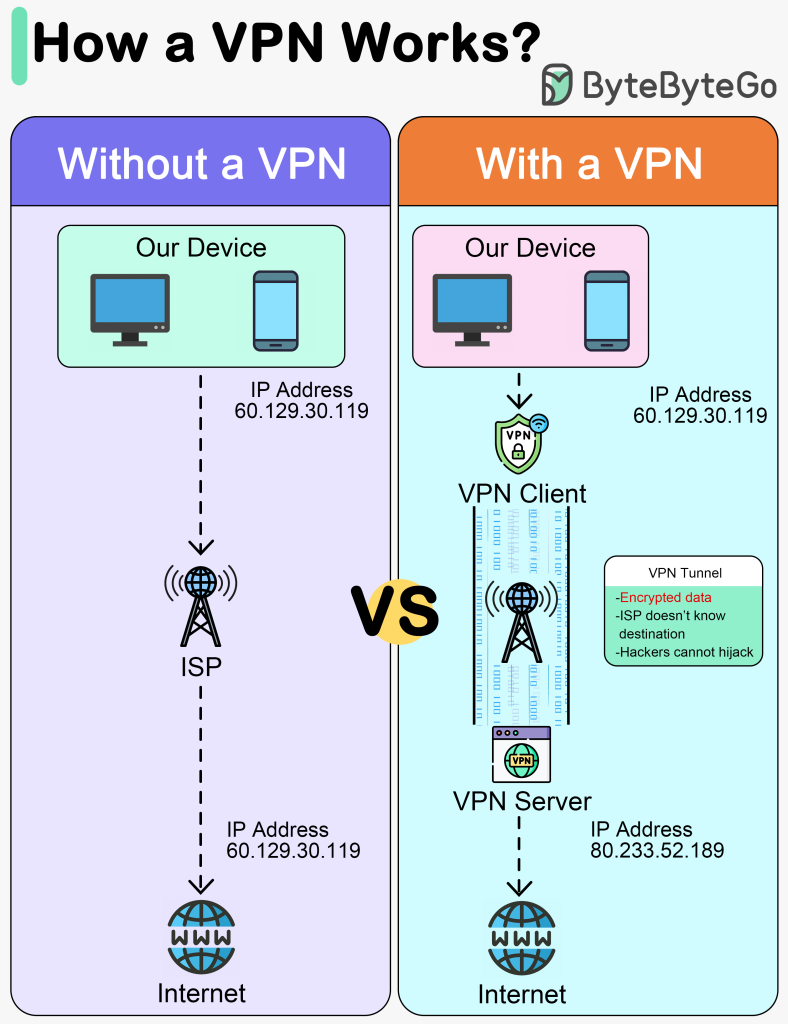
A Virtual Private Network (VPN) is a service that creates a secure, encrypted tunnel between your device and the internet. It routes your traffic through a remote server, masking your IP address and encrypting data to prevent interception by ISPs, hackers, or governments. VPNs are versatile and can be used on various devices, including smartphones, computers, and even routers.
Pros of VPNs
- Comprehensive Encryption: Protects all internet traffic across apps, browsers, and devices, not just web browsing.
- Geo-Spoofing: Allows you to change your virtual location to access region-locked content, like streaming services from other countries.
- Additional Security Features: Many VPNs include kill switches, split tunneling, ad blockers, and malware protection for enhanced safety.
- Cross-Platform Compatibility: Works on Windows, Android, macOS, iOS, and more, with apps from providers like NordVPN or Surfshark.
- No-Logs Policies: Reputable providers don’t log your activity, ensuring privacy.
Cons of VPNs
- Potential Speed Reduction: Routing traffic through a server can slow down your connection, especially with distant servers.
- Trust in Provider: You must rely on the VPN company not to log or sell your data—choose audited, no-logs providers.
- Cost: Most quality VPNs require a subscription, ranging from $3–$12 per month, though free options exist (but are often risky).
- Battery Drain: On mobile devices, constant encryption can consume more battery.
- Legal and Access Issues: Some countries or networks block VPNs, and misuse can lead to service bans.
What is Apple iCloud Private Relay?
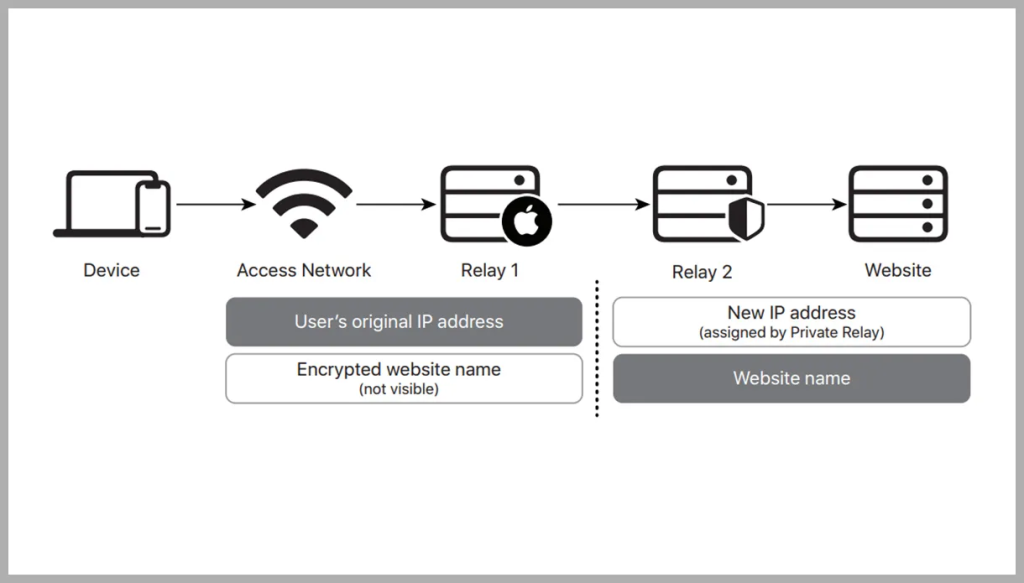
iCloud Private Relay is a privacy feature included in Apple’s iCloud+ subscription (starting at $0.99/month). It hides your IP address and encrypts Safari browsing data by routing it through two separate relays: one operated by Apple (which sees your IP but not the website) and another by a third-party partner like Cloudflare (which sees the website but not your IP). This “two-hop” system ensures no single entity has your full browsing info. It’s designed for seamless privacy without changing your general location.
Pros of iCloud Private Relay
- Enhanced Privacy Design: The split-relay system prevents even Apple from linking your IP to browsing activity, offering better trust than single-provider VPNs.
- Minimal Speed Impact: Uses efficient routing with less overhead, often resulting in faster performance than traditional VPNs.
- Seamless Integration: Automatically works on Apple devices (iPhone, iPad, Mac) within Safari—no extra apps needed.
- No Additional Cost for iCloud+ Users: Bundled with other features like Hide My Email and expanded storage.
- Region-Preserving: Keeps your IP in the same country or timezone, avoiding issues with location-based services like weather apps.
Cons of iCloud Private Relay
- Limited to Safari: Only protects browsing in Apple’s Safari app; other browsers, apps, or non-web traffic remain exposed.
- Apple-Only Ecosystem: Restricted to iOS 15+, iPadOS 15+, or macOS Monterey+ devices; no support for Android or Windows.
- No Geo-Bypassing: Doesn’t allow specific location changes, so it can’t unblock international content.
- Fewer Security Extras: Lacks advanced features like kill switches or ad blocking found in VPNs.
- Dependency on Apple: If Apple’s servers go down or face restrictions, your privacy tool does too.
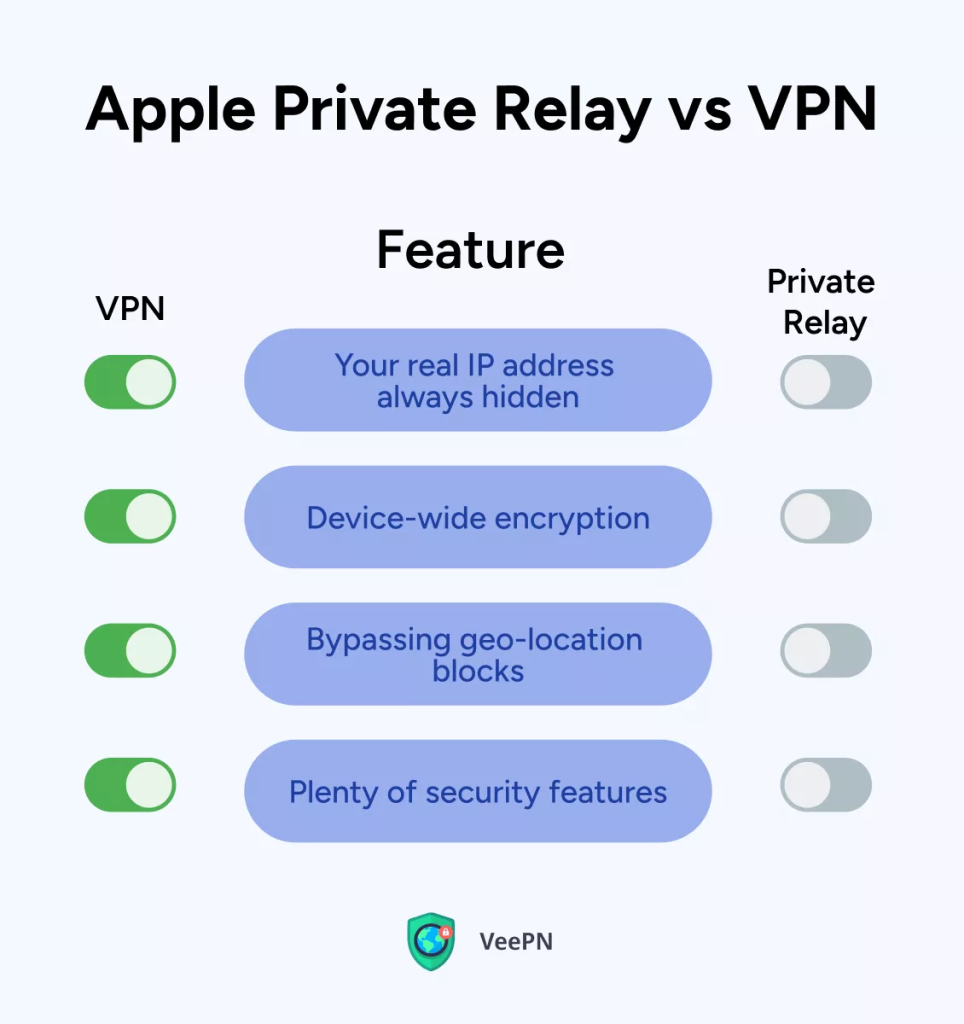
Direct Comparison: VPN vs. iCloud Private Relay
To make the choice clearer, here’s a side-by-side breakdown:
| Feature | VPN | iCloud Private Relay |
|---|---|---|
| Encryption Scope | All traffic (apps, browsers) | Safari browsing only |
| Device Compatibility | Multi-platform (iOS, Android, etc.) | Apple devices only |
| Location Spoofing | Yes, choose specific countries | No, maintains general region |
| Speed Impact | Moderate to high | Minimal |
| Privacy Trust | Depends on provider | High (split-relay system) |
| Cost | Subscription required | Included in iCloud+ ($0.99+/mo) |
| Extra Features | Kill switch, ad blocking, etc. | None beyond basic privacy |
VPNs excel in versatility and full-device protection, making them ideal for users needing to bypass restrictions or secure all online activities. Private Relay shines for Apple loyalists seeking effortless, browser-specific privacy without speed loss. Useful tip: You can use both together—Private Relay for Safari and a VPN for everything else—for layered security.
Conclusion
Ultimately, the better option depends on your needs. If you’re deeply embedded in the Apple ecosystem and primarily browse with Safari, iCloud Private Relay offers convenient, low-impact privacy. For broader protection, geo-unlocking, or non-Apple devices, a VPN is superior. Consider starting with a reputable VPN trial or enabling Private Relay if you already have iCloud+ to test the waters. We hope you enjoyed reading about the comparison of VPN vs. Apple iCloud Private Relay. Stay safe online!